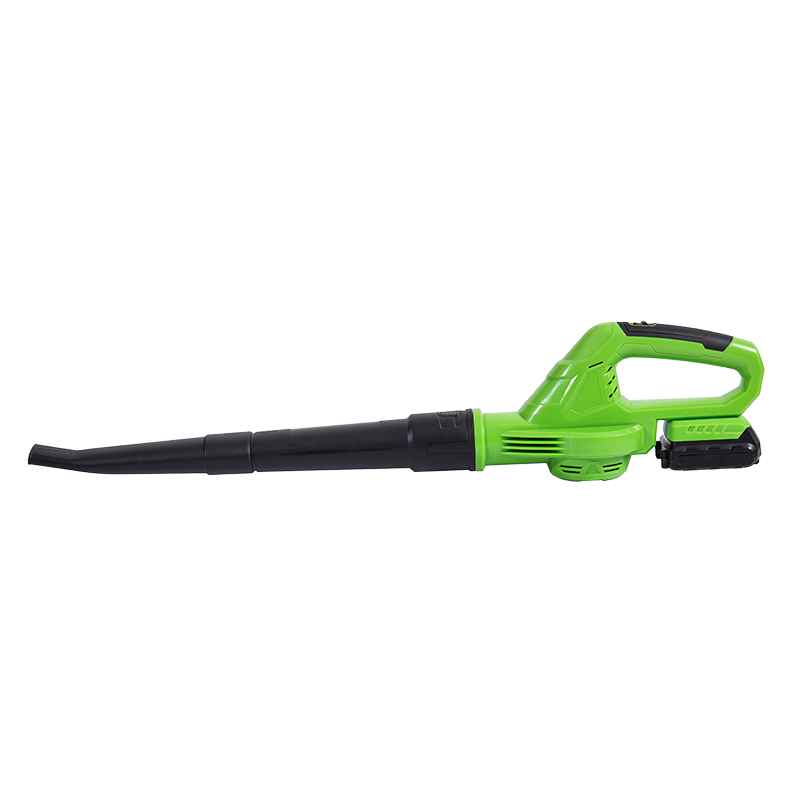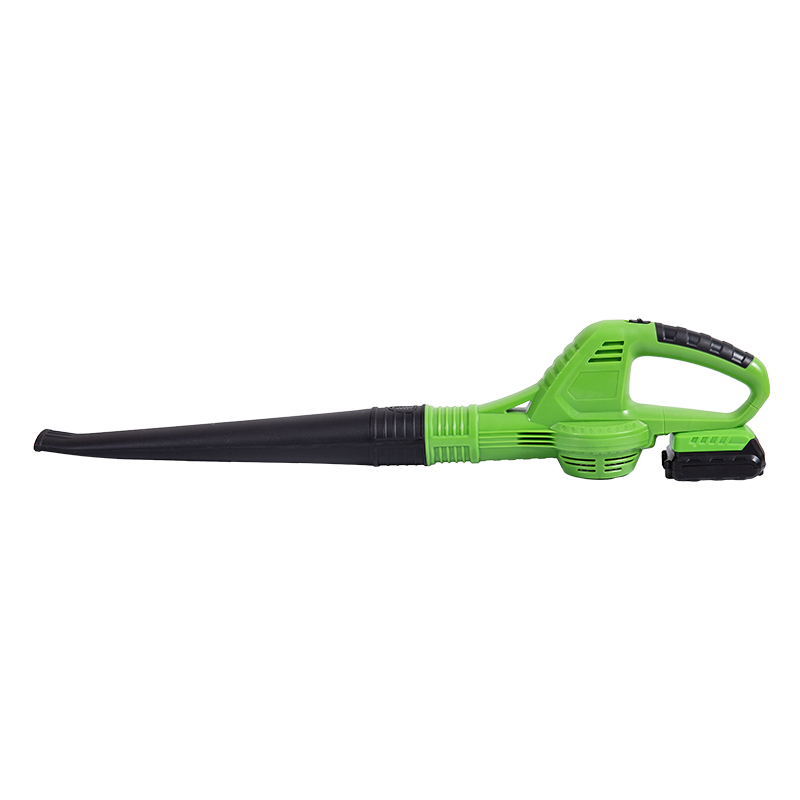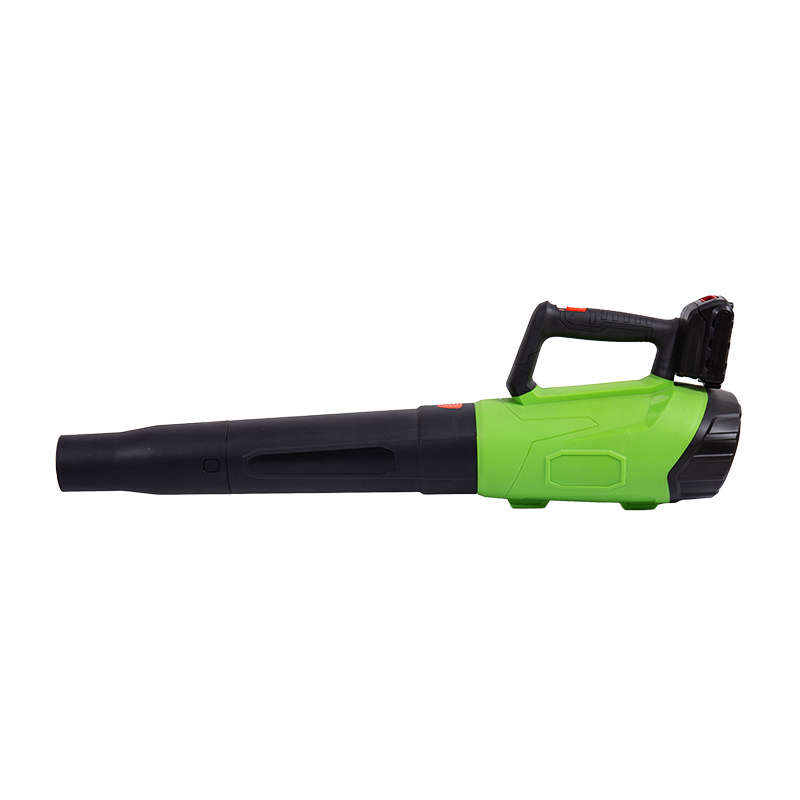
Cordless leaf blowers have become the preferred choice for residential yard maintenance, offering an unmatched combination of mobility, low noise, and zero emissions. Modern battery technology now delivers power comparable to gas models, while eliminating the hassle of cords, fuel mixing, and pull-start frustration. For most homeowners, switching to a cordless leaf blower is a practical upgrade that transforms yard work from a chore into a more efficient, pleasant experience.
Cordless leaf blowers excel across five key dimensions that directly impact your yard work experience. The following flowchart illustrates how these advantages work together to deliver superior performance.
Each advantage builds upon the next, creating a seamless yard care experience.
The heart of any cordless leaf blower is its battery system. Today's lithium-ion batteries provide up to 90 minutes of continuous run time on a single charge, with high-capacity models reaching even longer durations. Charging times have also improved dramatically, with many batteries reaching 80% capacity in under 45 minutes using fast-charging technology.
Battery voltage directly influences blowing power. Most residential cordless leaf blowers operate on 40V to 80V systems, with higher voltages delivering greater air speed and volume. A 56V battery typically produces air speeds of 130–180 mph, sufficient for moving wet leaves, light debris, and even small stones on driveways.
Battery lifespan is another critical factor. High-quality lithium-ion cells endure 500 to 1,000 charge cycles before significant capacity loss occurs. This translates to 3 to 5 years of regular weekly use, making cordless blowers a cost-effective long-term investment.
Noise pollution is a growing concern in residential areas, and cordless leaf blowers offer a significant advantage. While gas-powered blowers typically operate at 90 to 100 decibels—enough to cause hearing damage with prolonged exposure—cordless models produce only 60 to 70 decibels, comparable to normal conversation or a running dishwasher.
This 30-decibel reduction translates to a perceived loudness that is less than one-eighth of a gas blower's volume. Early morning or evening yard work becomes feasible without disturbing neighbors, and you can operate without hearing protection in most cases—though earplugs remain recommended for extended sessions.
Many municipalities have enacted noise ordinances that restrict gas blower usage during certain hours. Cordless blowers typically fall below these thresholds, offering greater flexibility for when you can maintain your yard.
Cordless leaf blowers produce zero direct emissions, eliminating the release of carbon monoxide, nitrogen oxides, and unburned hydrocarbons into your yard and neighborhood. A single gas leaf blower can emit as much smog-forming pollution in one hour as a modern car driving over 1,000 miles. Switching to cordless power significantly reduces your personal carbon footprint.
Battery-powered blowers also eliminate the need for gasoline, oil, and fuel stabilizers—substances that can spill and contaminate soil or groundwater. No fuel mixing, no spills, and no hazardous waste disposal make cordless blowers a cleaner choice from purchase to disposal.
When charged using renewable energy sources, the environmental impact approaches zero. Even with grid electricity, the well-to-wheel emissions of a cordless blower are substantially lower than those of a gas-powered equivalent over its operational lifetime.
Modern cordless leaf blowers deliver impressive performance metrics that rival gas models for most residential applications. Air speeds of 130–200 mph and air volumes of 400–700 CFM (cubic feet per minute) are common across mid-range and premium cordless units.
These specifications translate to real-world capability: clearing a 2,000-square-foot yard of dry leaves in 15 to 25 minutes, moving wet leaves and grass clippings from driveways, and clearing light snow from walkways. Variable-speed triggers and cruise control features allow you to match power output to the task, preserving battery life for light-duty work while delivering full power for stubborn debris.
Turbo or boost modes provide short bursts of maximum power—typically 20–30% higher than normal operation—for tackling dense leaf piles or wet debris. This on-demand power ensures you never feel underpowered when you need extra force.
One of the most appreciated benefits of cordless leaf blowers is the minimal maintenance requirement. Unlike gas blowers that demand regular oil changes, air filter replacements, spark plug changes, and carburetor cleaning, cordless models require only periodic cleaning of the air intake vents and fan blades.
No fuel system maintenance means no stale fuel issues, no gummed-up carburetors, and no seasonal storage preparation. Simply store the blower and battery indoors, and it's ready to go when you are. The battery should be stored at 50–80% charge for long-term storage to maximize lifespan, a simple step that takes seconds.
Cordless blowers are also lighter and more compact than gas equivalents, typically weighing 5 to 10 pounds versus 10 to 15 pounds for gas models. This reduced weight eases operation and storage, with many units featuring foldable or detachable tubes for compact hanging on garage walls.
Selecting the right cordless leaf blower involves evaluating several key specifications and features. Use the following checklist to guide your decision:
Battery compatibility within a system is another strategic consideration. Choosing a blower that shares batteries with other yard tools (trimmers, chainsaws, hedge trimmers) allows you to invest in a battery ecosystem rather than isolated tools, maximizing value and convenience.
The following table summarizes the key differences between cordless and gas leaf blowers, helping you understand why cordless is increasingly the preferred choice:
Cordless blowers excel in residential settings where noise, emissions, and maintenance are top priorities.
Battery run time typically ranges from 30 to 90 minutes depending on the battery capacity (Ah), the power setting used, and the type of debris being moved. A 4Ah battery at medium speed generally provides 40–50 minutes of operation, while 6Ah or higher batteries can extend run time to over an hour. Using turbo mode reduces run time by approximately 25–30%.
Yes, most modern cordless blowers with 40V or higher systems and 130+ mph air speeds can move wet leaves effectively. Wet leaves require more force, so using turbo or boost mode is recommended for these conditions. For consistently wet or heavy debris, consider models with higher CFM ratings (500+ CFM) which provide greater air volume to push heavier materials.
Absolutely. Cordless leaf blowers are versatile tools for clearing grass clippings from driveways and sidewalks, blowing dust and debris from garages and workshops, cleaning gutters (with appropriate attachments), and even drying vehicles or outdoor furniture. Some users also employ them for light snow clearing from porches and walkways.
To maximize battery lifespan: avoid fully depleting the battery before recharging; store at 50–80% charge for long-term storage; keep batteries in a cool, dry place (avoid extreme heat or freezing); and use the manufacturer's recommended charger. Following these practices can extend battery life to 500+ charge cycles, or roughly 3–5 years of regular use.
For most residential users, yes. The combination of lower operating costs (electricity vs. gasoline), minimal maintenance, quieter operation, and zero emissions makes cordless blowers a superior long-term value. While the upfront cost may be higher than some gas models, the total cost of ownership over 3–5 years is significantly lower due to reduced fuel, oil, and maintenance expenses.
No.888 Zijin Road, cidade de Dongshan, distrito de Wuzhong, cidade de Suzhou, província de Jiangsu, China, 215107
+86-18994336227
+86-0512-66399580
Direitos autorais © Máquinas Co. de Suzhou Yuyuan, Ltd. Todos os direitos reservados.
Fornecedores de ferramentas elétricas personalizadas para jardim